
Research Field Machinery Bonded Warehousing & Deferred Import
Published on April 22, 2025
Project Background
The client imported a batch of machinery dedicated to research-field use from Europe to China by ocean freight. Because the equipment is for scientific research purposes, it qualifies for tax reduction or exemption, but the client had not yet obtained the “Confirmation of Tax Reduction or Exemption for Import/Export Goods” (commonly known as the “Exemption Certificate”, or “Mianbiao”) issued by customs. Clearing the cargo directly as ordinary goods would not only forfeit the tax exemption but also expose the client to high duties and port storage risks.
Solution
Addressing the situation where the cargo had already arrived but the exemption certificate had not, we developed a two-step plan of “enter the bonded zone first, then exit and clear with the exemption certificate”:
- Order handling and bill exchange: At the first opportunity we contacted the shipping line to complete telex release or original bill of lading exchange (D/O), avoiding additional charges such as container demurrage at the terminal.
- Inbound declaration into the zone: With basic documents such as commercial invoice, packing list and bill of lading, we first declared the cargo into the comprehensive bonded zone with the customs, completing the inbound filing without paying customs duty or VAT.
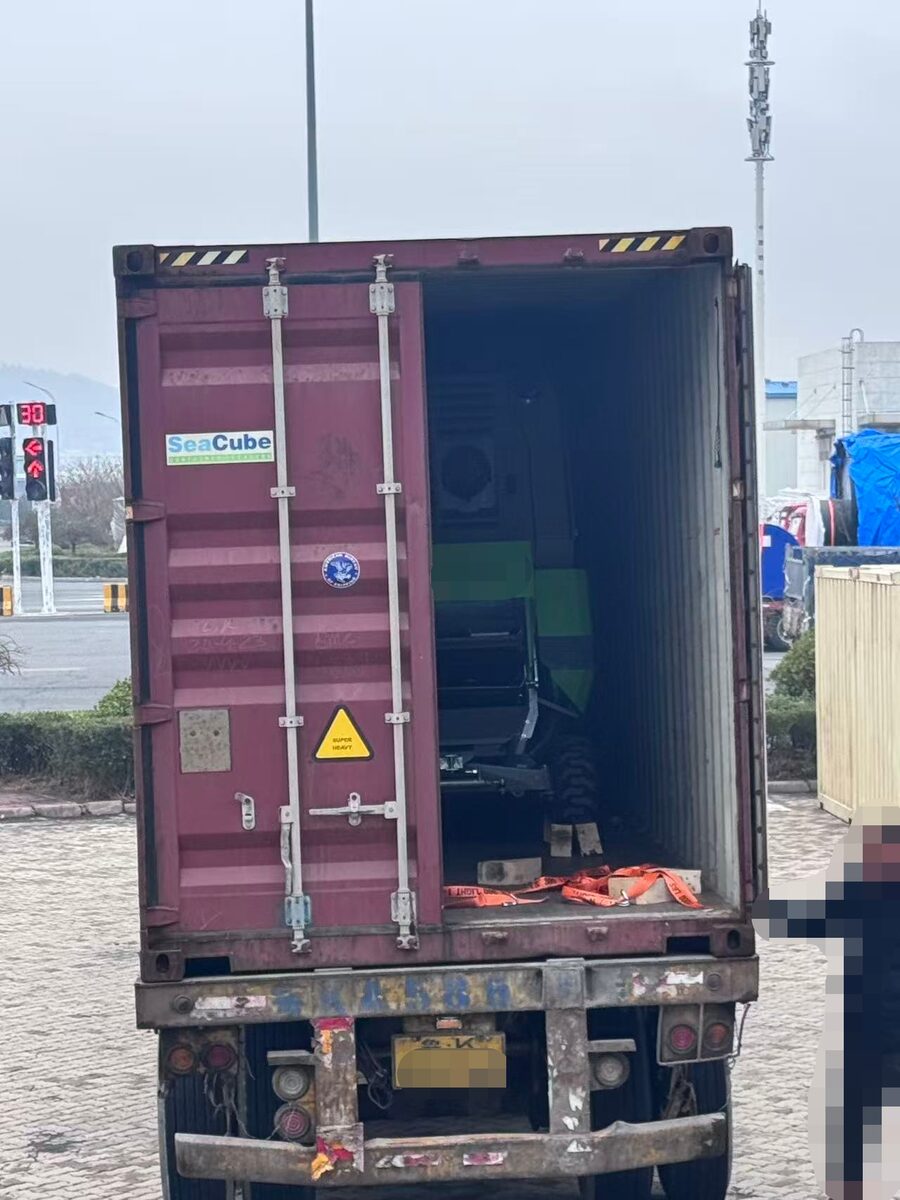
- Yard pickup and transport: Arranged a truck fleet to pick up the laden container from the terminal yard and trucked it under supervisory vehicles to the designated bonded warehouse.
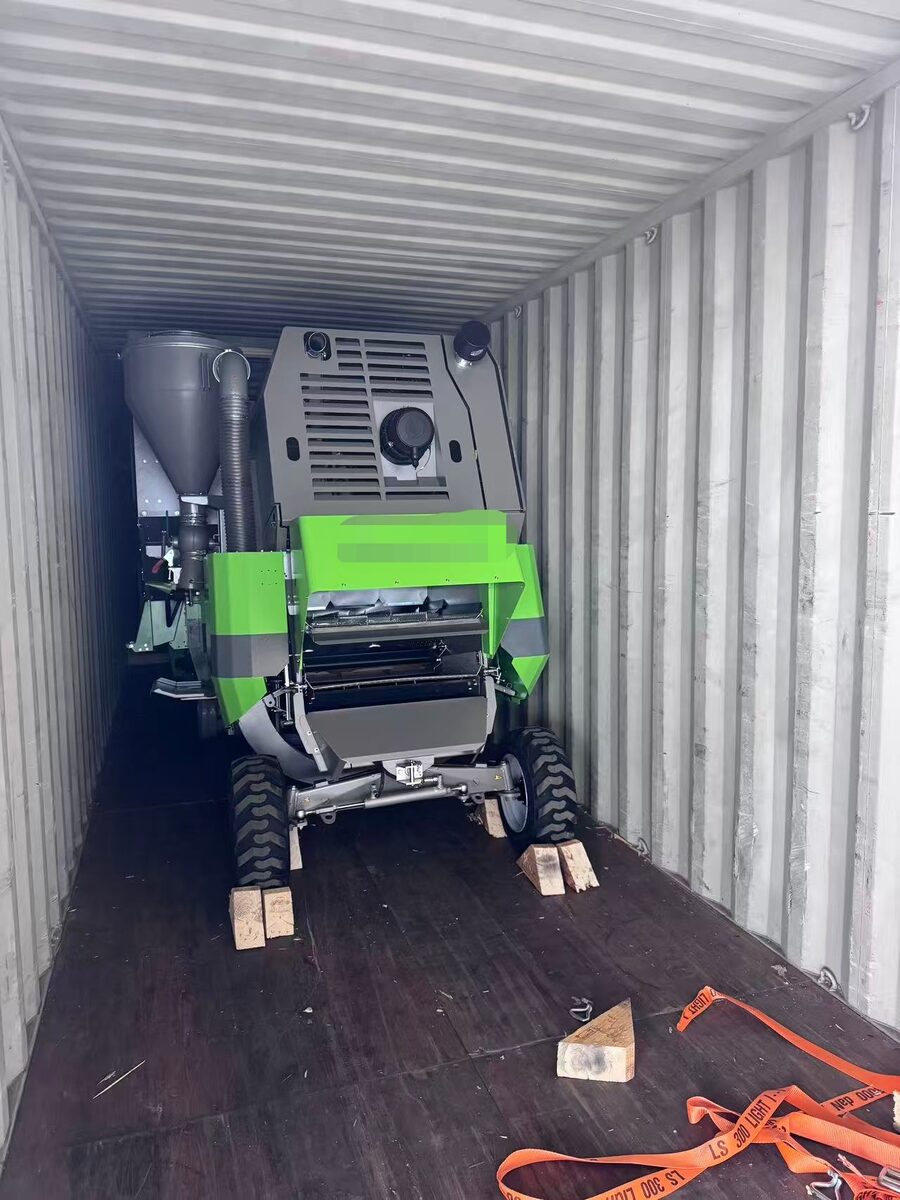
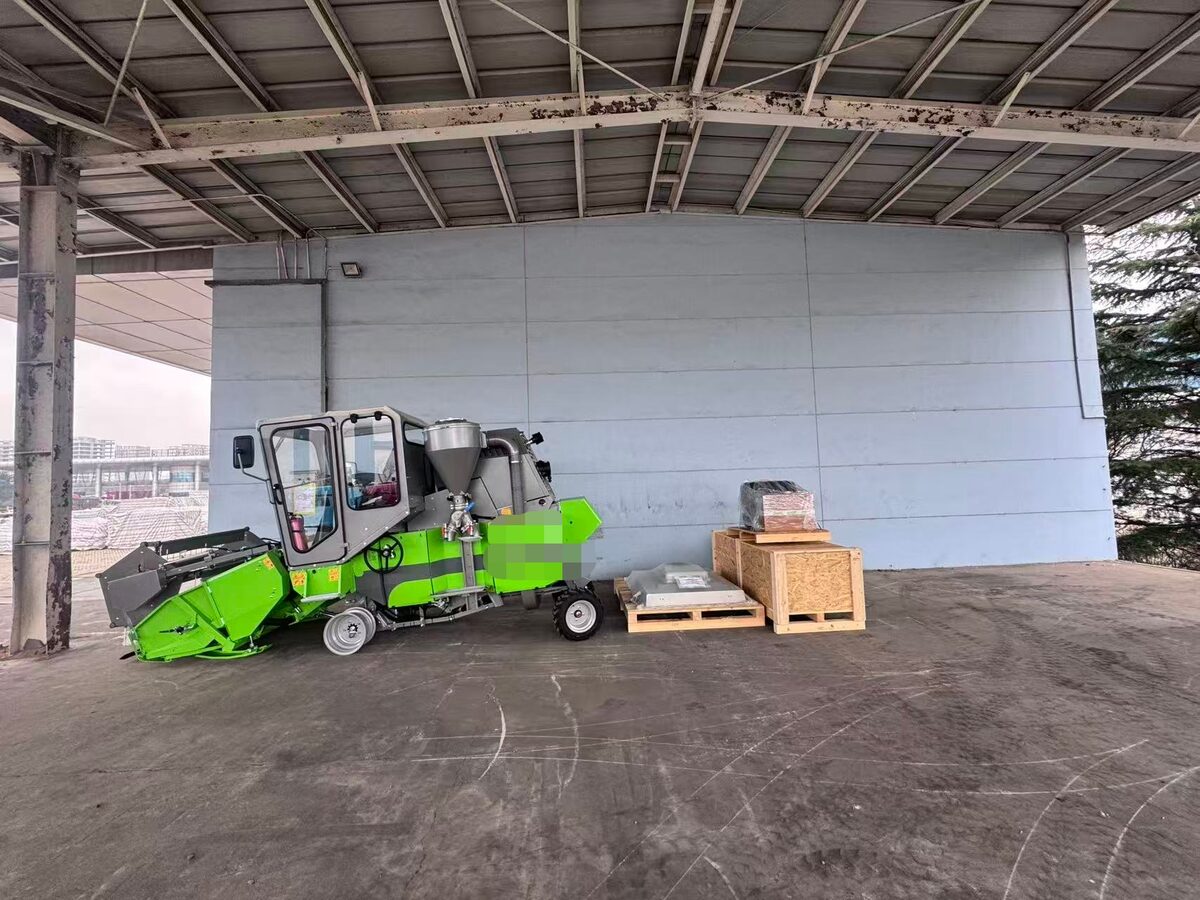
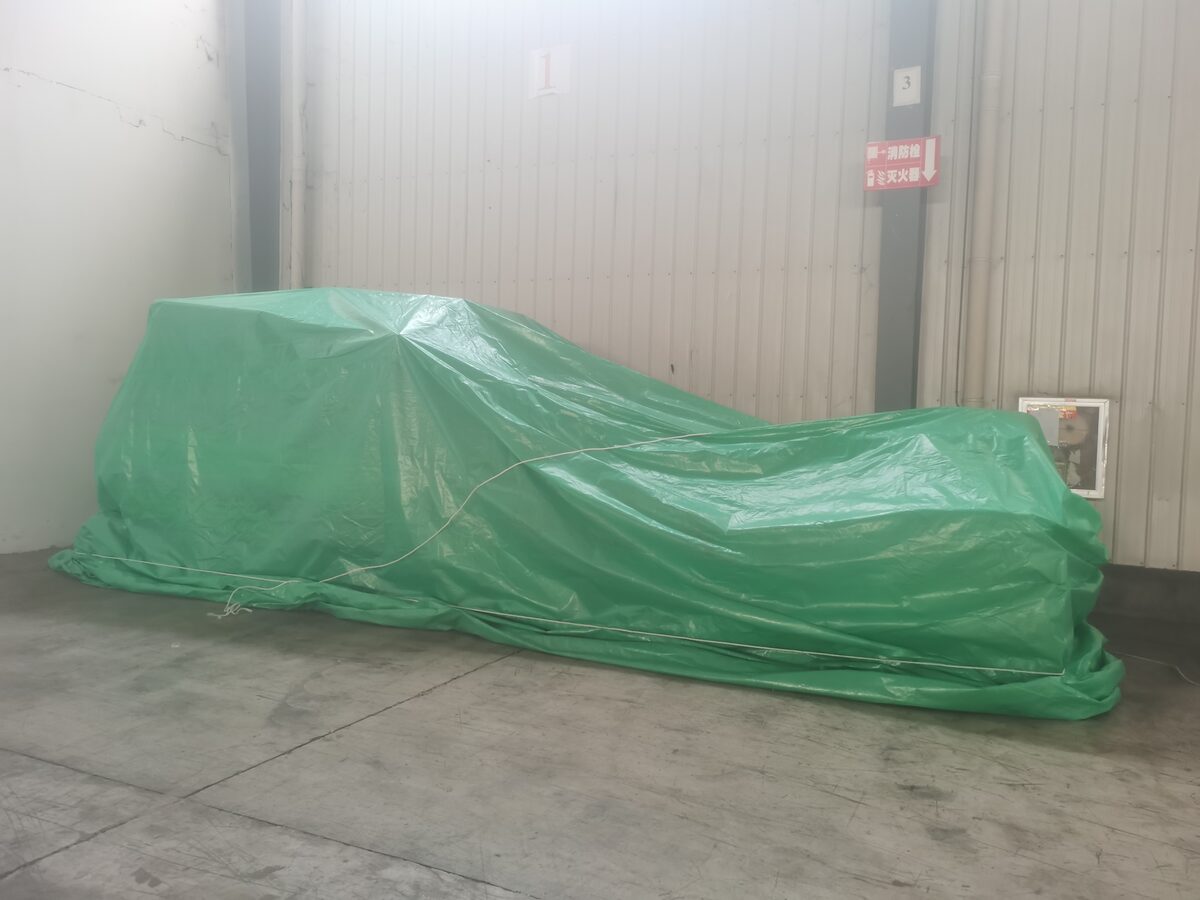
- Unloading and storage: Inside the bonded warehouse we completed devanning and unloading, and properly stored the research machinery in temperature-/humidity-controlled or dust-proof locations as required.
- Outbound formal import: Once the client obtained the exemption certificate, we used the certificate and other necessary documents to declare the cargo out of the zone and complete formal import customs clearance, achieving a zero-duty release.
Project Results
Through the bonded-zone storage model, we successfully resolved the client’s dilemma of “cargo arrived, certificate not yet”:
- Demurrage and penalties avoided: By promptly moving the cargo from the terminal to the bonded zone, we avoided container overtime usage fees and customs late-declaration fines caused by prolonged stays.
- Lawful tax deferral achieved: Leveraging the “inside the territory, outside the customs” nature of the bonded zone, no duties were payable before the exemption certificate was approved, greatly easing the client’s cash flow pressure.
- Equipment safety secured: Stored indoors, the cargo avoided the potential damage that open-air storage could inflict on precision research equipment.
- Seamless process linkage: After the exemption certificate was issued, outbound clearance was completed quickly, with no impact on overall clearance efficiency.